Top Home Care Agency Durham Region Services for Long-Term Home Care
Compassionate Home Care Services: Assisting Loved Ones in Their Own Space
Compassionate home care services offer critical assistance for individuals wanting to stay in their comfortable environments. These services address diverse needs, spanning daily help to specialized medical care. By prioritizing emotional wellness and maintaining dignity, caregivers build meaningful relationships with family. Yet, many remain unaware of the complete range of benefits that home care can deliver. Comprehending these aspects is essential for making informed decisions about care options. What lies ahead in this investigation?
What Everyone Should to Learn About Home Care Services
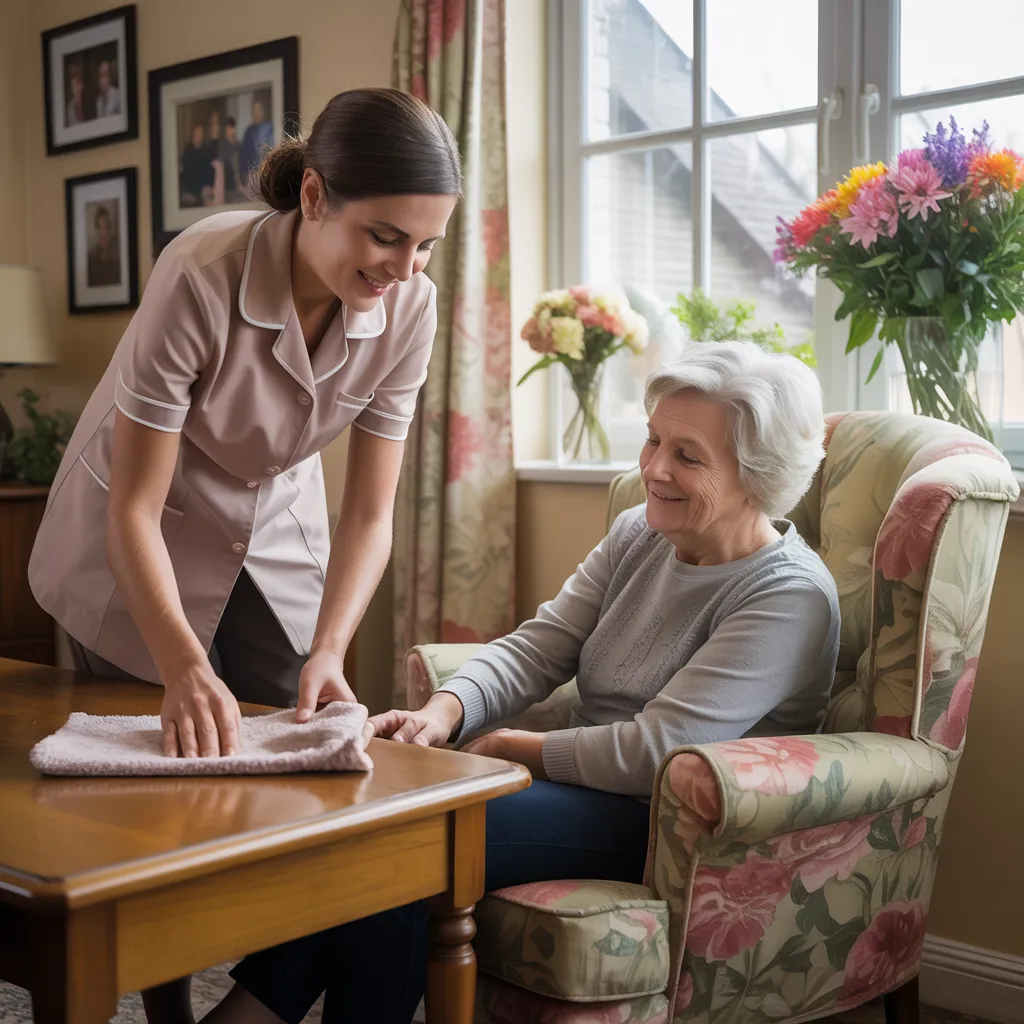
Home care services fulfill an important role in supporting individuals who need assistance due to age, illness, or disability. These services offer a variety of personalized care solutions, including medical and non-medical support tailored to individual needs. Care can involve help with daily activities like bathing, dressing, and meal preparation, along with skilled nursing services like medication management and physical therapy.
Families frequently seek home care to allow their loved ones to remain in comfortable environments while receiving essential support. It can offer substantial relief for family caregivers, who may struggle to balance work and personal responsibilities. Grasping the range of home care services on offer is crucial for choosing wisely. Reviewing the particular requirements of the individual and researching local service providers can assist families pick the right care plan, making certain that their loved ones get compassionate and effective support at home.
Main Strengths of Home Care for Elderly Individuals
Home care solutions offer significant advantages for seniors, highlighting their autonomy and dignity. Customized care plans ensure that personal needs are met, promoting a higher standard of life. Furthermore, obtaining support in a familiar setting can improve emotional wellness and ease.
Improved Personal Freedom And Self-Worth
Many elderly individuals experience a desire for independence as they age, making improved autonomy a significant part of in-home care. By receiving care in their familiar environment, seniors can maintain authority over their habits and personal choices. This methodology fosters a dignity-based feeling, allowing them to be engaged in activities that promote well-being and self-esteem. Home care services empower seniors to take part in determining their care about their care while providing assistance with chores, ensuring they can live as independently as possible. Additionally, the presence of a caregiver can alleviate solitude, enabling seniors to maintain social connections and pursue hobbies. Ultimately, home care services fortify both independence and honor, contributing positively to seniors' overall quality of life.
Customized Health Programs
Personalized care plans play a vital role in maximizing the effectiveness of home care services for seniors, as they cater to individual needs and preferences. These individualized plans consider each senior's unique medical history, lifestyle choices, and personal goals, making sure that care is both relevant and appropriate. By focusing on specific demands, caregivers can provide targeted support, boosting the quality of life for seniors. Additionally, personalized care plans facilitate better communication between caregivers and families, fostering a joint approach to care. This alignment not only builds trust but also empowers seniors to take an active role in their own care journey. Fundamentally, personalized care plans are essential in delivering compassionate, effective home care tailored to each individual’s circumstances.
Acquainted Atmosphere Positive Aspects
While adjusting to new environments can be difficult for seniors, receiving assistance in a known environment offers numerous advantages. Staying in their own homes allows seniors to maintain a sense of self-determination and authority over their daily activities. Familiar settings can reduce anxiety and confusion, promoting a feeling of protection and comfort. Additionally, home care facilitates seniors to continue close to cherished memories and personal belongings, which can boost emotional well-being. Social connections are also deepened, as they can easily receive visits from family and friends. Furthermore, caregivers can adjust support to fit their unique environment, ensuring that assistance aligns with the senior's specific requirements and preferences. Ultimately, home care cultivates a holistic approach to well-being in a comforting space.
Home Care Services Varieties
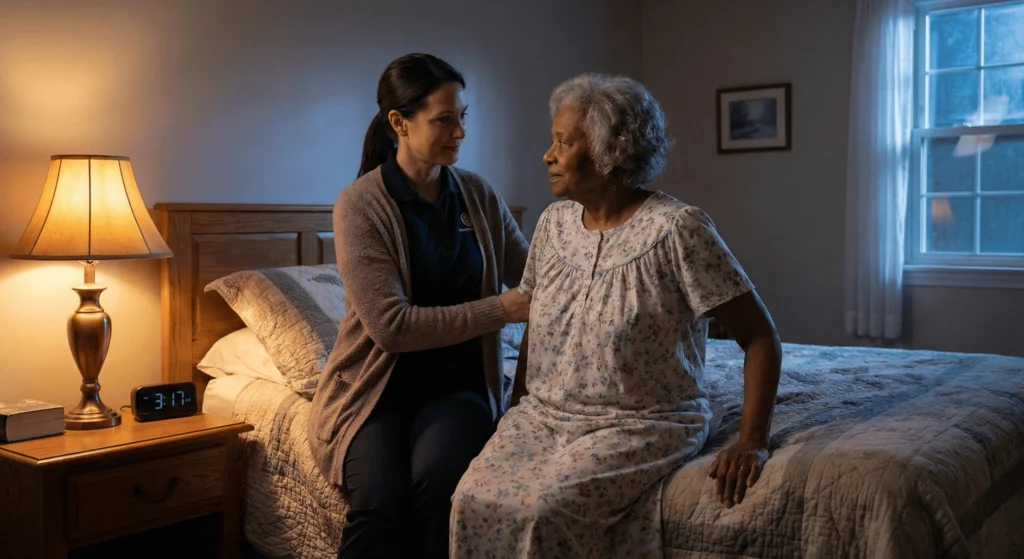
Home care offerings encompass a range of types designed to fulfill diverse individual needs. These services can broadly be classified into non-medical and medical care. Non-medical home care typically includes support with daily living activities, such as personal hygiene, meal preparation, and companionship. Caregivers may also help with light housekeeping and errands, promoting a comfortable and supportive environment.
In contrast, medical home care involves expert care provided by certified caregivers. This may consist of nursing care, physical therapy, and medication management, customized for individuals with distinct medical situations. In addition, specialized services including end-of-life comfort care support those with chronic illnesses, prioritizing wellness and life satisfaction.
Selecting the Right In-Home Care Provider
How can one guarantee they choose the most suitable home care agency? The process starts with determining specific requirements, as requirements can differ greatly among individuals. Conducting thorough research is crucial; potential clients should explore various agencies and their services. Online reviews and testimonials can provide information into the standard of care offered.
In addition, meetings with potential caregivers are significant. These discussions allow households to determine compatibility, evaluate their communication approach, and specify care methods. It is also necessary to question the background and credentials of care professionals, confirming they maintain the necessary skills and certifications.
Moreover, comprehending the money matters, including payment selections and insurance coverage, is significant to avoid unexpected expenditures. Finally, trust and contentment are fundamental; families should remain confident that their loved ones will receive kind, consistent care in their own homes.
Frequent Myths Regarding Home Care Services
Many individuals hold misconceptions about home care services, particularly concerning their cost and scope. It is often thought that home care is extremely expensive and gives narrow services. Clearing up these false notions is vital for an improved comprehension of what home care can offer.
Caring for Individuals at Home Is Pricey
Refuting the false belief that home care offerings are prohibitively expensive presents a more sophisticated understanding. While some may view the costs as substantial, it's important to take the value provided into account. Home care can often be more reasonably priced than alternatives including nursing homes or assisted living facilities, especially when accounting for the costs of relocation and supplementary services. Additionally, many families find that home care supports their loved ones' self-determination, potentially delaying the need for more intensive care. Insurance options, state initiatives, and aid programs can further reduce expenses. Understanding the comprehensive benefits of home care can transform perspectives, creating it as a workable option for those seeking out quality support in a familiar environment.
Limited Offering Selection Provided
offerings include
How Loved Ones Can Take Part in Home Care
Participating in home care calls for families to take an proactive role in their loved one's well-being. This involvement can be seen through regular communication and collaboration with caregivers to guarantee that care plans align with the individual’s needs. Families should take part in daily routines, helping with meals, medication management, and personal care tasks when possible.
Furthermore, households can foster a nurturing setting by encouraging social engagement and taking part in community events together. Establishing a regular timetable for visits can assist in tracking the family member's progress and modify care strategies as needed.
In addition, families are encouraged to educate themselves about specific health conditions, which can enhance their skill to extend conscious assistance. By remaining engaged, relatives not only facilitate their loved one's physical health but also foster emotional well-being, creating a compassionate environment that promotes self-determination and self-respect in the home care environment.
Success Stories in Home Care
While the trials of home-based care can be noteworthy, many households have found exceptional success cases that highlight its conceivable benefits. One such story involves the Johnson family, who successfully arranged in-home care for their mature mother, helping her to remain in her cherished locale. The diligent caregiver furnished not only personal assistance but also social companionship, which greatly improved her emotional state.
Another motivating instance is the Garcia family, who encountered the intimidating challenge of managing their son's complex medical needs at home. With the help of skilled home care specialists, they established a caring atmosphere that fostered self-reliance and growth. Their son flourished, reaching milestones previously thought unattainable.
These compelling narratives show that, with adequate resources, home care can elevate the standard of living for both individuals and loved ones, forming precious memories while safeguarding respect and well-being in familiar surroundings.
Regularly Raised Questions
How Do I Pay for Home Care Options?
Individuals can pay for home care options through own funds, long-term care insurance, Medicaid, or Medicare, depending on eligibility. Investigating various funding options ensures that families discover appropriate financial solutions for practical resource required care support.
Can Home Care Services Accommodate Pets?
Home care services can usually accommodate pets, subject to the organization's rules. It's crucial for households to communicate specific needs and logistics with the service to guarantee a welcoming space for both the individual and their pets.
What Experience Do Care Attendants Normally Maintain?
Caregivers usually earn professional credentials in nursing or personal care, preparation in CPR and first aid, and often have experience in elderly care. Many also go through background checks and receive advanced training to meet distinct patient needs.
What Strategies Can I Apply to Tackle Care Worker Employee Turnover?
To address caregiver attrition, one should focus on enhancing dialogue, offering attractive wages, delivering continuous training, and fostering a supportive work environment. These strategies can improve staff stability and motivate caregivers to remain dedicated long-term.
Can Younger Individuals Access Home-Based Care Support?
Yes, at-home support is accessible for younger adults. Many care providers offer bespoke care to cater to the specific demands of this category, delivering aid for diverse medical situations, including disabilities, recurring health problems, or surgical healing.